
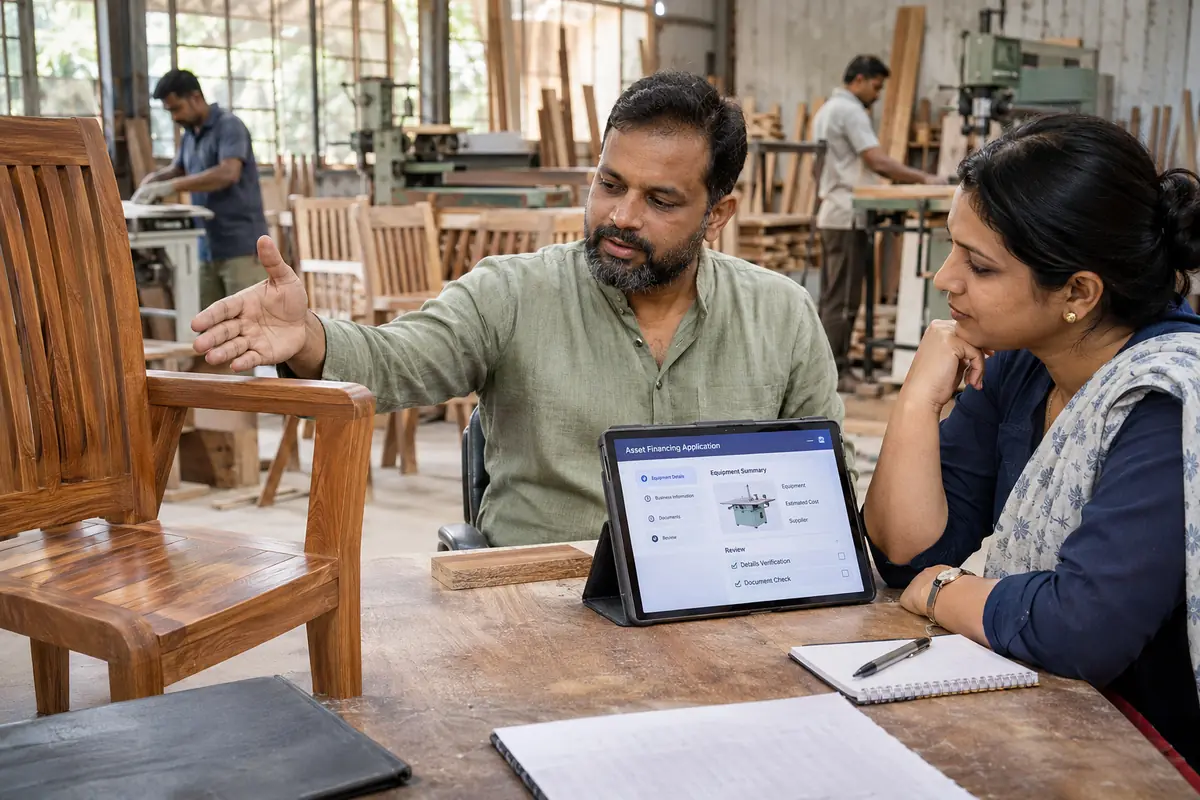
Bengaluru P2P loan apps online India give residents of Karnataka's capital a way to lend and borrow personal funds through a registered digital intermediary. The platform, licensed by the Reserve Bank of India as an NBFC-P2P, verifies users, publishes loan requests, holds repayments in escrow and passes instalments to lenders. It cannot use its own money or guarantee outcomes. Because the technology sector dominates the city, many users are comfortable with apps, yet the risk of delayed or missed repayment still rests with each lender who funds a request.
A technology city with uneven cash flow
Bengaluru is the capital of Karnataka and is known as India's leading technology hub. Software services, product companies, start-ups, biotechnology and aerospace employ a large and mobile workforce. Pay is often good, yet income can be irregular: stock options are illiquid, contracts end suddenly and layoffs ripple through whole teams.
Another part of the city runs on small commerce, from garment units in Peenya to vendors around Chickpet and Gandhi Bazaar. These businesses need short working capital and are less familiar with formal credit paperwork.
Online peer lending fits both groups, because applications are digital and decisions are quick.
Who uses peer platforms in the city
Borrowers commonly include newly arrived engineers who lack a local credit history, freelancers between projects, founders of very small ventures, and households facing rent deposits that are large by national standards. Some are migrants from Tamil Nadu, Andhra Pradesh, Kerala or the north who have moved for work and have no local guarantor.
Lenders tend to be salaried professionals comfortable with technology, who look at peer lending as one small part of a wider portfolio rather than a substitute for savings.
Kannada is the local language, though English dominates in offices and on most apps, and Hindi, Tamil, Telugu and Urdu are also heard across neighbourhoods. A person who prefers another language should ask whether support is offered before signing up.
What the app does behind the screen
A registered platform follows the same pattern for each loan. After KYC and bank verification, a borrower's request is scored and listed. Lenders choose amounts, and once the request is fully funded the money moves from an escrow arrangement to the borrower. Monthly instalments follow, and the platform follows up on late payers within the rules.
The intermediary may not promise a return, and any statement of expected yield is only an estimate. The RBI sets the same ceilings everywhere: Rs 50 lakh total lender exposure, Rs 50,000 per lender to one borrower, Rs 10 lakh total borrowing per person and 36 months maximum maturity.
Data privacy and digital safety
Because so much happens on a phone, privacy deserves attention. Unlicensed apps often request access to contacts, photographs and location, then use them to pressure borrowers. A real NBFC-P2P is bound by RBI rules and should not behave in this way.
- Install apps only from official stores and check the publisher's legal name.
- Read the permissions list before accepting it.
- Use a strong password and two-step verification.
- Keep Aadhaar and PAN copies away from unknown messaging groups.
- Report coercion to the cyber police.
The details are general information and not a recommendation of any app.
Interest-free options for residents
Bengaluru has long-standing Muslim communities in areas such as Shivajinagar, Frazer Town and Tannery Road, together with Bohra and Memon families active in trade. Many keep traditions of Qard Hasan, a loan where only the principal is returned and no return is fixed in advance.
These schemes run through mosque funds, charitable trusts, small cooperatives and friend circles, not through licensed lending apps. Some cooperatives levy a fixed service fee for administration. Murabaha and Ijarah are sales and leasing contracts with a profit or rental element, so they are not pure interest-free loans.
A person using any such arrangement should ask for clear written terms and name the person responsible for the funds.
Planning repayment in an expensive city
Housing, schooling and long commutes make Bengaluru costly, and a salary can disappear faster than expected. Before accepting a loan, a borrower should list fixed costs and test whether the instalment still fits if income falls for a month or two.
Choosing a bank mandate that collects payment right after salary credit reduces the chance of forgetting. If trouble comes, it is better to talk to the platform at once about rescheduling than to hide or borrow from another app.
Fees such as processing charges and late penalties can raise the effective cost, so the full schedule should be read before agreeing.
Responsible lending habits
Lenders in a technology hub sometimes treat the screen as a game, tapping quickly to fund many loans. A calmer approach works better: decide how much to place in the product, offer small portions, and review repayments each month.
Remember that earlier payment records say little about the future, especially for borrowers in industries that shrink during downturns. Returns are taxable as income, so keep statements for filing.
Avoid funding borrowers who contact you privately outside the platform, because such arrangements bypass the protections that the framework provides.
Small businesses and start-up founders
Early-stage founders sometimes use personal peer loans to cover a gap before a customer pays or a funding round closes. This can work for a short bridge, but mixing personal borrowing with a young venture is risky, because a missed customer payment becomes a personal repayment problem.
Shop owners and small manufacturers in areas such as Peenya, Yeshwanthpur and Jayanagar may use peer loans for stock or equipment. Their ability to repay usually depends on seasonal sales, so tenure and instalment size should follow the business cycle instead of an app's default option.
Keeping personal and business accounts apart makes records cleaner for both borrower and lender.
Comparing apps before committing
Several registered platforms exist, and their screens, fee tables and risk grades differ. A careful user opens two or three, reads the terms and compares how each explains late payment, processing charges and the handling of defaults.
Useful questions include how the escrow account works, whether lenders can see borrower details in advance, how disputes are resolved and which officer handles grievances. A platform that answers plainly and in writing is generally easier to trust than one that rushes users towards a decision.
Online reviews help, but they can be staged, so official registration and clear terms count for more than star ratings or promotional banners.
Frequently asked questions
Are P2P apps in Bengaluru safe?
A platform holding an RBI registration as an NBFC-P2P is regulated, but the lender still carries credit risk. Safety also depends on the user: verify the company, keep records and avoid apps requesting contacts or advance fees.
What is the longest tenure allowed?
The RBI framework caps loan maturity at 36 months. A shorter tenure raises each instalment but cuts total charges, so a borrower should choose a term that matches income and read the repayment schedule before accepting.
Can salaried employees in Bengaluru lend through these apps?
Yes, any adult resident with valid KYC and a bank account can register as a lender, within the Rs 50 lakh overall and Rs 50,000 per-borrower limits. Interest income is taxable and defaults are possible, so only spare money should be used.
Further reading
- i2iFunding : i2iFunding operates an NBFC-P2P lending platform, which gives Bengaluru residents a concrete example of how a registered peer lending intermediary presents loans and lender information.