
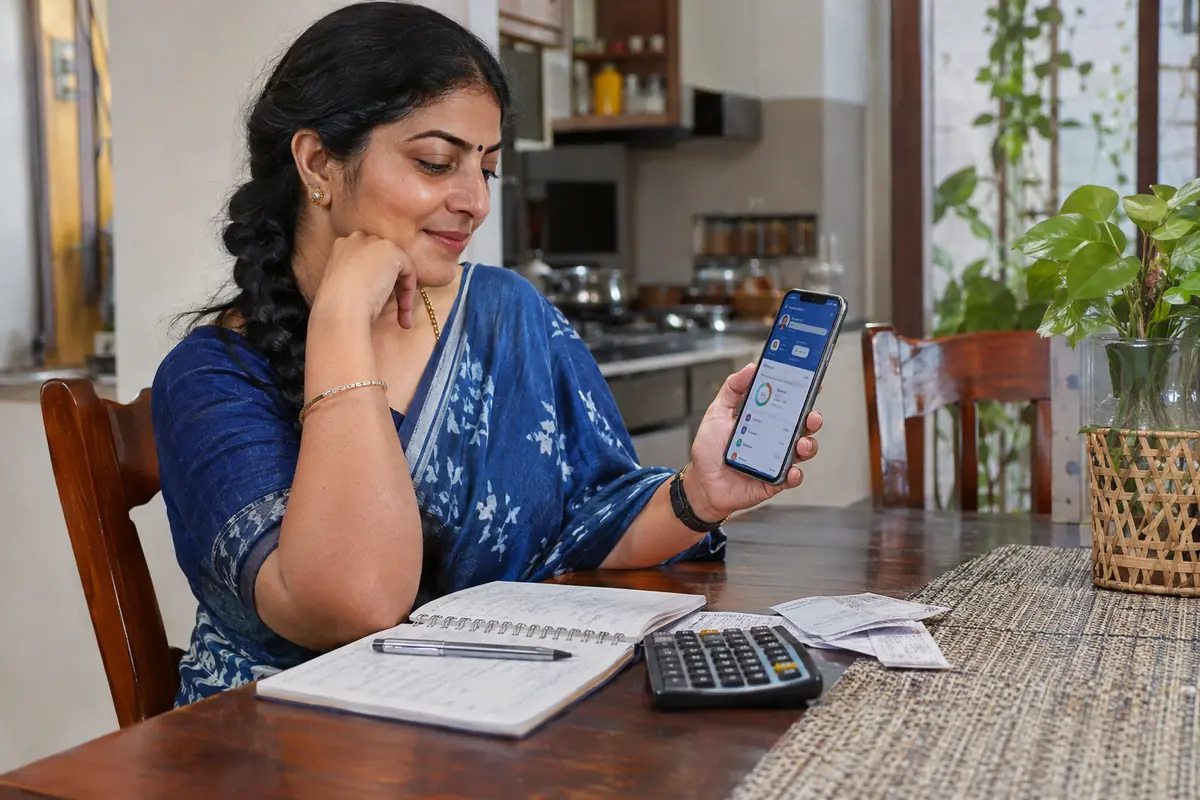
Guwahati P2P loan apps online India are digital platforms that allow residents of Assam's largest city to lend to, or borrow from, other individuals without visiting a bank branch. In India these platforms must operate as NBFC-P2P companies holding a Certificate of Registration from the Reserve Bank of India. They verify users, publish loan requests, collect repayments and pass money to lenders, but they cannot lend from their own funds or guarantee any return. Traders, professionals and households across the city use them for short, small-value credit.
The gateway city of the Northeast
Guwahati lies on the south bank of the Brahmaputra and serves as the main commercial and transport centre for the whole of Northeast India. Goods and people move through its rail junction, airport and river routes towards Assam's districts and neighbouring states. The Kamakhya temple draws pilgrims throughout the year, and the city also hosts a university, an engineering institute and large hospitals that attract patients from across the region.
Assamese is the main language, with Bengali, Hindi, Bodo and many other languages heard in markets and offices.
The city is also a base for banking, insurance and government services covering a large region, so many residents are salaried and used to digital payments, even where smaller towns nearby still rely heavily on cash.
The local economy and its credit needs
Assam's tea and its oil and gas sector are famous, and Guwahati is where much of the business around them is managed. Wholesale markets in the older commercial areas supply shops across the Northeast, while a growing services sector, from logistics to education, gives work to younger residents.
Small traders buy stock in bulk and wait for retail customers to pay. Transport operators carry costs ahead of freight receipts. Families may need a bridge when a relative travels for treatment. These patterns create demand for quick, modest loans, particularly where bank paperwork feels slow or where the borrower lacks a long credit history.
Examples include a hardware wholesaler paying a supplier before a big order is delivered, a tutor setting up a small coaching room, or a driver replacing a worn-out part so that the vehicle can keep earning. Each case involves a clear purpose and a repayment source that can be explained to a lender.
Steps for using a registered app
An NBFC-P2P platform works as a regulated marketplace.
- Download the app from an official store and register with your own mobile number.
- Complete KYC with valid identity documents, and add a bank account in your own name.
- Borrowers post a request; the platform checks the profile and assigns a risk grade.
- Lenders select requests and amounts; repayments are collected and credited on schedule.
Pay attention to the language of the agreement. If an app offers terms only in a language you find difficult, ask for an explanation before signing.
Read the schedule of fees as well: processing charges, late-payment penalties and any prepayment terms change the real cost of a loan and should be clear before the first rupee moves.
What the RBI rules allow
Every registered platform must respect the same national limits, which therefore apply to Guwahati users as well.
- One lender's total exposure across platforms: at most Rs 50 lakh.
- One borrower's total outstanding amount across platforms: at most Rs 10 lakh.
- One lender's exposure to a single borrower across platforms: at most Rs 50,000.
- Maximum loan maturity: 36 months.
Platforms cannot promise returns or cover defaults. Because the limits do not remove credit risk, a lender may face late or missed repayments, and a borrower who takes on too much may struggle to pay.
It is also worth remembering that a loan taken on several apps still counts toward one overall ceiling, so spreading requests over different platforms does not make borrowing safer.
Interest-free lending traditions
Guwahati's Muslim community, along with other groups that value mutual help, sometimes organises small funds or informal circles that lend without charging interest. In the strict form of Qard Hasan, also written Qarz-e-Hasana, only the principal is repaid and the lender sets no return in advance.
Murabaha and Ijarah carry a profit or rental element, so they are not the same thing. Across India, interest-free options are mostly community, charitable or cooperative systems and not RBI-registered NBFC-P2P apps. Anyone joining one should ask who holds the funds, how decisions are recorded and what support exists if a member faces a genuine hardship.
Keep a written note of the amount, the date and the agreed repayment, even when the arrangement is among trusted friends. Clear records protect both sides and avoid misunderstandings later.
Spotting fraudulent apps
Fraudulent lenders often advertise on social media with promises of fast approval and no documents. A few checks help avoid trouble.
- Look up the company's legal name and RBI registration before uploading any document.
- Be cautious when fees are demanded before a loan is paid out.
- Decline requests for contact list or gallery access that the loan does not need.
- Keep screenshots of messages, receipts and agreements.
If harassment or threats occur, report the matter to the platform's grievance officer, the cyber crime portal or the RBI. Never share one-time passwords with anyone.
Repayment habits that work
Borrowers should compare the total repayment with the amount received, not only the instalment size. Flood or monsoon disruption, which can affect transport and trade in the region, is worth remembering when planning: keep a small reserve so that a few slow weeks do not lead to a missed due date.
Set reminders before each instalment, keep enough balance in the linked account and contact the platform early if trouble is coming. Late payments can add penalty charges and weaken a credit record, making any future loan more expensive.
Practical guidance for lenders
Lenders should start small, read each borrower profile and spread money across many listings instead of backing one person. Do not lend funds that are needed for rent, education or medical care, since P2P loans return money in instalments and cannot be withdrawn at will.
Review repayment reports every month and stop adding money to categories that perform poorly. Keep records of every transaction, because income from lending may be taxable. This text is general information and does not replace personal advice or constitute a loan offer.
Frequently asked questions
Can I use a P2P app from Guwahati if the company is based elsewhere?
Yes. Registered NBFC-P2P platforms operate online across India, so location of the company is not the issue. What matters is that it holds an RBI Certificate of Registration and that its legal name matches the app.
What happens if a Guwahati borrower stops repaying?
The platform will pursue collection through permitted means, but it cannot guarantee repayment, so a lender may lose part or all of the money. Spreading small amounts over many borrowers lowers the impact of a single default.
Are there P2P options without interest in Assam?
Qard Hasan style lending, where only the principal is repaid, exists in community and cooperative settings. These are not RBI-registered NBFC-P2P apps, so participants should confirm who runs them and ask for written terms.
Further reading
- Lendbox : Lendbox is an NBFC-P2P lending platform whose public pages show how registered apps present borrower grades and lender terms, helpful for Guwahati residents weighing different services.