
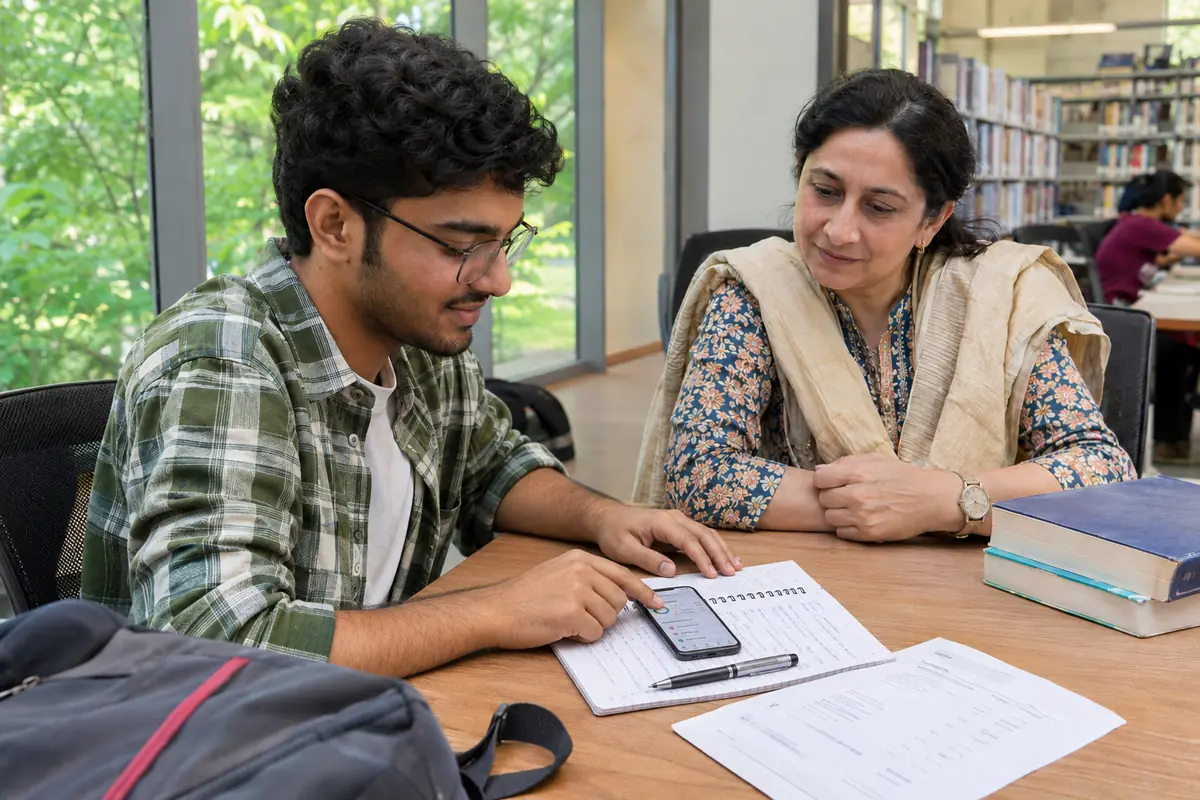
Howrah P2P loan apps online India are mobile and web platforms that let residents of this West Bengal city lend money directly to other individuals or request a personal loan from them, with the platform acting only as a registered intermediary. In India such platforms must be NBFC-P2P entities holding an RBI Certificate of Registration. They match lenders and borrowers, run identity checks, collect instalments and pass them on, but never lend from their own funds or guarantee repayment, so every participant still carries credit risk.
A city of workshops across the river from Kolkata
Howrah sits on the western bank of the Hooghly, linked to Kolkata by its famous steel bridge and by one of the busiest railway terminals in the country. Its economy grew around jute processing, foundries, rolling mills and small engineering units, and thousands of tiny workshops still make machine parts, fasteners and castings.
This mix shapes the way people look for money. Many earners are workshop owners, skilled fitters, transporters and traders whose income depends on orders that arrive in bursts. A regular bank loan can be slow to arrange for them, which is why digital peer lending attracts attention.
Neighbourhoods such as Shibpur, Liluah, Bally and Santragachi each have a distinct character, from academic campuses and the old botanical garden to railway colonies and industrial belts. Many residents hold jobs in Kolkata and cross the river every evening, so their financial lives span two cities and two sets of expenses.
Who typically borrows
Borrowers in Howrah tend to fall into a few recognisable groups:
- small workshop owners who need working capital while waiting for a buyer to pay an invoice;
- salaried staff of private firms who face a medical or school expense;
- market traders around the flower and vegetable markets near the river;
- young professionals commuting to Kolkata who want to consolidate a few small debts.
A platform will ask for identity proof, bank details and income evidence. Applicants who cannot show steady inflows are often declined, and that is a sign of the system working, not failing.
Who typically lends
Lenders are usually salaried people, retired employees and small business families who want to spread a modest sum across many borrowers instead of locking it in one place. Because the RBI caps a single lender's exposure to the same borrower at Rs 50,000 across platforms, and total lender exposure at Rs 50 lakh, diversification is built into the framework.
Returns are never assured. Some borrowers will pay late and a few will not pay at all. A sensible lender in Howrah treats the money as risk capital, begins with a small amount and does not depend on the monthly repayments for household expenses.
Income earned from lending is generally taxable, so a lender should keep platform statements and consult a qualified tax adviser at the end of the financial year.
How regulated platforms work for residents
An NBFC-P2P platform registers the user, verifies identity through the usual know-your-customer process and then lists borrower requests with a risk grade. Lenders choose loans or let the platform spread their funds, and repayments flow back through escrow-style accounts.
- Download an app or open the web portal.
- Complete KYC with identity and address documents.
- Link a bank account in your own name.
- Pick the role: lender or borrower.
- Review the loan terms, then confirm.
Loans run for a maximum of 36 months, and one borrower cannot have more than Rs 10 lakh across platforms.
Festival seasons and cash flow
Money demand in Howrah follows the calendar. Durga Puja and Kali Puja bring spending on clothes, decorations and gifts, Eid brings its own preparations, and Chhath and Poila Boishakh add further occasions when households and shopkeepers want extra cash. Shops in the bazaars stock up weeks in advance, and that stock is often paid for with borrowed funds.
Borrowing for a festival is understandable, but it deserves restraint. A loan taken for a single week of celebration may take twelve months to repay. Workshop owners also feel the cycle, because orders from larger buyers can slow when factories close for the holidays. A borrower who knows this should choose a repayment plan that already allows for the quiet weeks, and a lender should expect that some instalments will arrive a few days late in those periods.
Interest-free options in the Howrah community
Howrah has a long-settled Muslim population alongside Bengali Hindu, Marwari and Hindi-speaking communities, and many families prefer money that carries no interest. Genuine Qard Hasan, also called Qarz-e-Hasana, means that only the principal comes back, with no fixed return for the giver.
In practice these arrangements run through mosque committees, charitable trusts, welfare societies and cooperatives, not through RBI-registered P2P apps. Some cooperatives charge a flat service fee, and Murabaha or Ijarah products include a profit or rental element, so the label should always be read against the actual terms before anyone signs.
Safety checks before using any app
The Howrah area, like every large urban centre, sees fake loan apps that collect personal data and then harass users. A few checks reduce the chance of trouble:
- confirm the legal name of the company and its RBI registration on the regulator's published list;
- be wary of any app that promises guaranteed returns, which a P2P platform is not allowed to do;
- refuse apps that demand access to contacts or photos;
- never pay an upfront fee to receive a loan;
- keep screenshots of every agreement.
Repayment discipline and practical habits
Late payment on a peer loan hurts a real person and also affects the borrower's credit record. Borrowers should set the instalment date a few days after salary or market receipts arrive, and keep a small reserve for slow weeks.
Lenders should read each risk grade, avoid placing everything on a single request and withdraw repaid money regularly instead of reinvesting blindly. Both sides benefit from keeping written records in Bengali, Hindi or English, whichever language the parties actually use in daily dealings.
One more habit is worth building: review every loan commitment once a month. Note which instalments arrived on time, which were delayed and whether the borrower's situation has changed. A short written review prevents small delays from turning into forgotten losses, and it helps a borrower decide whether to take on any further obligation.
Frequently asked questions
Can someone in Howrah lend through a P2P app without a bank account?
No. Every registered platform requires a bank account in the user's own name, along with completed KYC. Funds move only between verified accounts, so cash handovers and third-party wallets are not part of a regulated peer lending transaction.
Are returns on P2P lending from Howrah borrowers guaranteed?
They are not. The RBI framework forbids platforms from guaranteeing repayment or promising assured returns. A lender can lose part or all of the money lent if a borrower defaults, so only surplus funds should be committed.
Is a Qard Hasan loan the same as a P2P app loan?
No. Qard Hasan returns only the principal, with no predetermined return to the lender, and is usually arranged through community or charitable bodies. RBI-registered P2P apps are commercial intermediaries whose lenders generally expect a return.
Further reading
- LenDenClub : LenDenClub is an RBI-registered NBFC-P2P platform, so it shows how a regulated marketplace lets Howrah residents lend to or borrow from verified individuals online.