
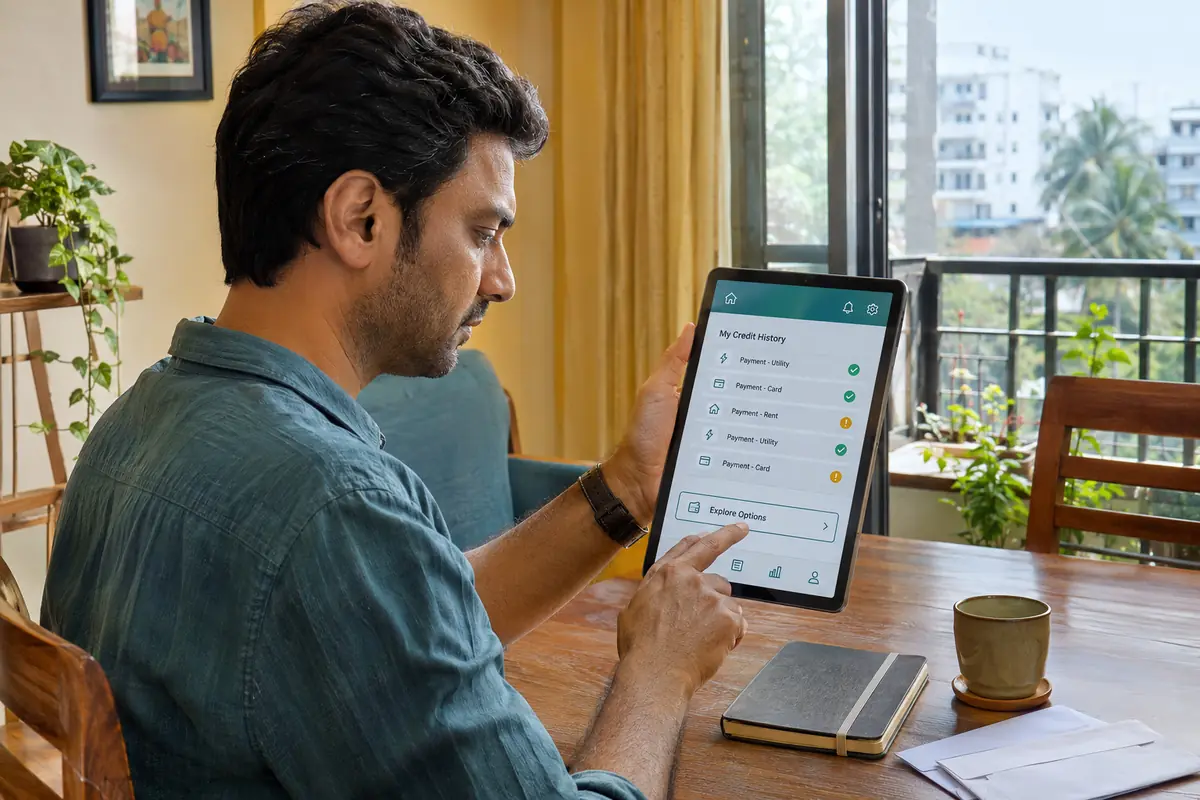
Patna P2P loan apps online India are digital platforms that let residents of the Bihar capital lend to, or borrow from, other individuals without a bank as the direct lender. Each operator must be an NBFC-P2P company registered with the Reserve Bank of India. It verifies users, grades borrowers, publishes loan requests and collects instalments on behalf of lenders, who accept the risk of default. Students, coaching aspirants, government staff, traders and small contractors in Patna turn to them for modest loans with fixed monthly repayments and clearly stated costs.
Patna as an administrative and educational hub
Patna stands on the southern bank of the Ganga and has been a centre of administration for centuries. Today it hosts the offices of the Bihar government, courts, banks and a large number of public institutions, which gives the city a sizeable base of salaried and pensioned households.
It is also known for education. Coaching institutes and colleges draw young people from across Bihar and neighbouring states, and a thriving rental market, food stalls and printing shops have grown around them. Trade in Gandhi Maidan, Boring Road and Kankarbagh areas keeps a lively retail economy running next to the official quarter.
Remittances from family members working in other states also shape household budgets in Bihar, so a steady inflow of money from outside is part of how many Patna families plan their spending and borrowing.
Borrowers and lenders in the city
Typical borrowers include:
- Students and aspirants who need money for fees, books or a deposit on a room.
- Employees on contract whose salary arrives late.
- Small traders and transporters who buy stock or fuel ahead of sales.
- Families facing wedding or medical costs that exceed what relatives can provide.
Lenders are often salaried officials, retired staff and professionals with spare savings, including people from Bihar who work in other states and still have funds to place. Spreading small amounts over many loans suits them better than a single large exposure.
What registration and funding involve
A user signs up with a mobile number, completes electronic KYC with PAN and Aadhaar, and links a bank account. Borrowers describe the amount and tenure they want and share income proof.
The platform's credit assessment produces a grade, and the request appears for lenders. Funding usually happens in small parts from several people, which is why a single request may take a few days to fill completely. Once fully funded, the sum is credited and each instalment is later split among those lenders.
Hindi is the main language of daily business in Patna, with Bhojpuri, Maithili, Magahi and Urdu also heard. Choosing an app with Hindi support helps first-time users read the key terms confidently. The borrower should also record the interest rate, the processing charge and the final due date before accepting.
What the RBI rules allow
Registered platforms operate within limits that do not change from city to city:
- A lender's total exposure across platforms may reach Rs 50 lakh at most.
- A borrower's total outstanding across platforms may reach Rs 10 lakh at most.
- A lender may lend no more than Rs 50,000 to the same borrower across platforms.
- Maturity may not go beyond 36 months.
A platform may not lend from its own balance sheet, guarantee repayment or promise assured returns. Because borrowers can still default, lenders in Patna should treat any money placed as capital at risk, and should avoid lending funds they might need within the next few months.
Interest-free options
Bihar has a substantial Muslim population as well as Hindu, Sikh and Jain communities, and many families in Patna prefer to avoid interest where possible. Help often arrives through mosque and charity committees, cooperative societies or trusted relatives, not through registered P2P apps.
Qard Hasan, or Qarz-e-Hasana, means the borrower returns the principal and nothing more is fixed in advance for the lender. Some bodies add a set service fee. Murabaha and Ijarah are sale and lease structures with a profit or rental element, so they differ in nature from a pure benevolent loan.
The sensible step is to get terms written, know who handles the funds, and ask what happens when a repayment is missed. A family that cannot explain the arrangement in a sentence or two probably does not understand it yet.
How to avoid fake or abusive apps
Before uploading any document, a resident should:
- Check that the company is among the NBFC-P2P entities registered with the RBI.
- Look for a grievance officer, a postal address and a working customer support channel.
- Read the full fee table, including penalties and early closure terms.
- Refuse any request for payment before the loan is released.
- Keep away from apps demanding contact lists, gallery or location access without good reason.
Recovery tactics involving threats or messages to relatives are unacceptable. Complaints go first to the platform and then to the police or the RBI complaint channels. Keeping chat records, call logs and screenshots strengthens any later complaint.
Budgeting repayments sensibly
Students and aspirants often have no income of their own, so a loan depends on family support. In that case, the repaying person should be clear before the loan is taken, not after the first instalment is missed.
Salaried borrowers can schedule auto-debit soon after salary day. Traders should leave room for slow weeks, and everyone should avoid using one loan to pay another. Keeping total instalments comfortably under half of monthly income leaves space for rent, food and emergencies.
Lenders should diversify across many borrowers, keep funds for each loan small and expect occasional delays. This is general information and not personal advice or an offer to lend.
Common purposes for small loans
Requests from Patna often cover fees for coaching or professional courses, hostel and rent deposits, medical treatment for relatives, a second-hand two-wheeler to reach a workplace, and stock for a shop during Chhath and other festival periods.
Because amounts are small and tenures short, rates are usually higher than at a bank. A borrower should first check cheaper sources such as bank credit, a cooperative society or an employer advance, and use a peer platform only when it genuinely fits.
It also helps to calculate the full amount that will be repaid over the whole tenure. Comparing that total with the sum received shows the true cost much better than a monthly instalment figure does.
Frequently asked questions
Do Patna P2P loan apps need RBI registration?
Yes. Any platform running peer-to-peer lending in India must be an NBFC-P2P entity with a Certificate of Registration from the Reserve Bank of India. Residents should verify the legal name and registration before sharing identity documents or bank details.
Can students in Patna borrow through these apps?
Eligibility depends on each platform's rules, which usually need an adult with verifiable identity, a bank account and some income or support. Students should consider whether repayment is realistic, since missed instalments carry penalties and can affect their credit record.
Are returns for lenders assured?
No. Under RBI rules a platform serving Patna cannot guarantee repayment or promise assured returns. Lenders carry the risk of borrower default, so they should spread funds across many small loans within the stated Rs 50 lakh and Rs 50,000 limits.
Further reading
- i2iFunding : i2iFunding is an NBFC-P2P lending platform, giving Patna readers a concrete example of how registered operators verify borrowers, list requests and pass repayments to lenders.