
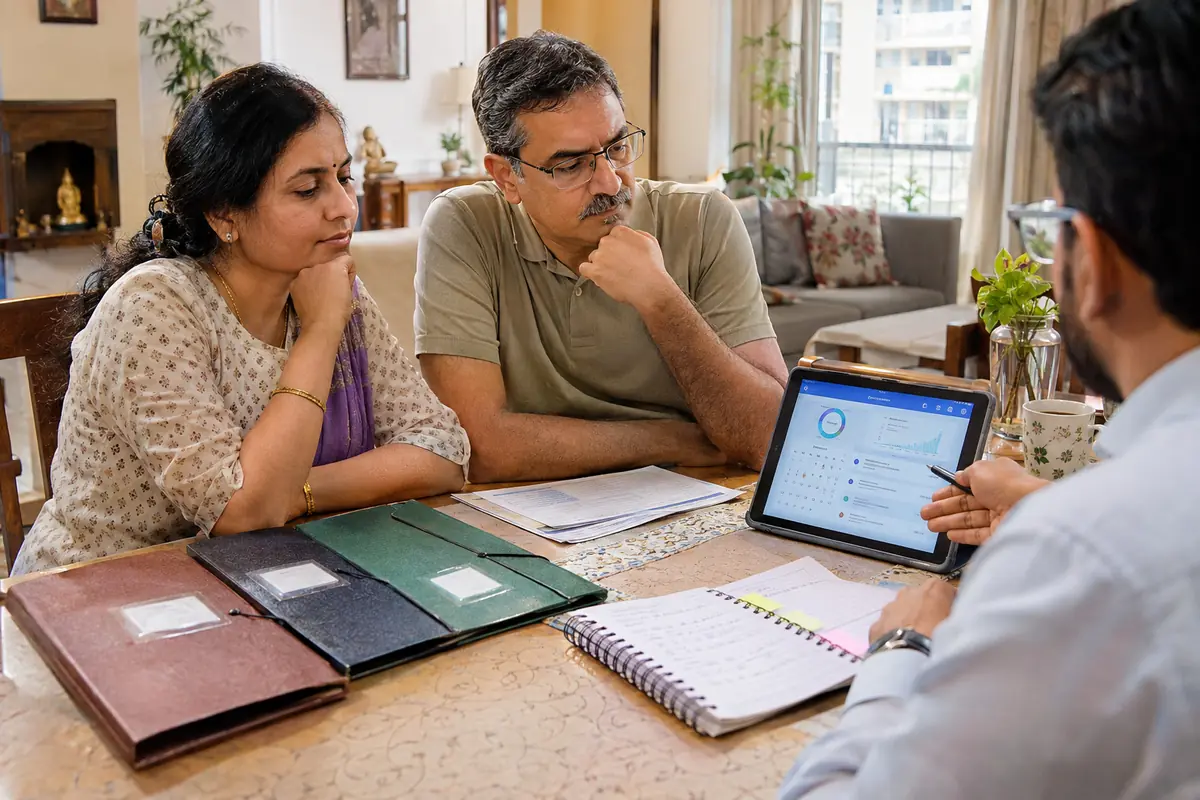
Raipur P2P loan apps online India are digital platforms through which residents of the Chhattisgarh capital can lend to, or borrow from, other individuals without going through a branch. In India these platforms operate as NBFC-P2P companies and need an RBI Certificate of Registration. They verify users, match lenders with borrowers and manage collections, yet they may not lend from their own funds or guarantee repayment. For many people in Raipur they offer an extra route to small-ticket credit alongside banks and cooperatives.
A capital city built on steel, trade and services
Raipur became the capital of Chhattisgarh when the state was formed, and it has grown into the main commercial hub of central India's mineral belt. Steel plants, sponge iron units, rice mills and power-related industry in and around the city create steady demand for suppliers, transporters and contract workers.
Government offices, hospitals and colleges add a salaried middle class, while the large grain and vegetable markets keep thousands of small traders busy. Hindi and Chhattisgarhi are everyday languages, and many residents move comfortably between the two.
Beyond the capital, towns such as Bhilai and Durg form a connected urban belt, and many people commute or do business across it. Pharmacies, coaching centres, transport firms and small fabrication workshops are common in this belt, and their owners often need short bridging funds that traditional lenders find too small to process quickly.
The basic mechanics of a registered platform
An NBFC-P2P app works as a regulated marketplace. A borrower registers, completes KYC and submits a request with a purpose and amount. The platform reviews the profile, grades the risk and publishes the request for lenders.
- Create an account and verify identity with official documents.
- Borrowers choose an offer; lenders select listings and amounts.
- Repayments are collected on schedule and passed on to lenders after platform charges.
Because the platform acts as an intermediary, a loan is only as safe as the borrower's ability to repay it.
Rules every user should know
The RBI framework sets limits that apply nationwide and therefore to every Raipur user.
- Total lending by one lender across platforms: Rs 50 lakh at most.
- Total outstanding borrowing for one borrower across platforms: Rs 10 lakh at most.
- A single lender's exposure to the same borrower across platforms: Rs 50,000 at most.
- Loan maturity: 36 months at most.
The platform cannot promise returns or cover a borrower's default. These caps limit concentration, but they do not remove credit risk, so a lender can still lose money.
Borrowers face a different kind of risk. A cap of Rs 10 lakh across platforms means that taking loans from several apps at once will not hide total debt, and over-borrowing can still lead to penalty charges, a damaged credit record and stress at home.
Who uses these apps in Raipur
Borrowers include contractors waiting for payment from larger firms, small factory suppliers covering raw material bills, shop owners in busy market areas, and salaried employees who need funds between pay cycles. Students and young job seekers sometimes borrow small sums for coaching fees or relocation.
Lenders are mostly salaried residents, business owners with idle balances and retirees seeking an additional income source. A careful lender spreads small amounts across many borrowers and treats the money as capital that could be partly lost, not as a savings account.
Lending in tranches also helps: placing a modest amount first, watching how repayments arrive over a few months and then deciding whether to add more gives a clearer picture than a single large commitment.
Community-based interest-free arrangements
Raipur has Muslim, Jain, Sikh and Hindu communities that run welfare funds and mutual-aid circles. Within the Muslim community in particular, some residents look for finance that avoids interest. In a true Qard Hasan, sometimes written Qarz-e-Hasana, the borrower returns only the amount received and the lender expects nothing more.
Murabaha and Ijarah involve a profit margin or rent, so they are not interest-free in the same sense. These community systems are not RBI-registered NBFC-P2P apps, which means that records, trust and dispute handling depend on the organisers. Ask for clear written terms before taking part.
Questions worth raising include who holds the funds, how the borrower's repayment capacity was assessed, whether any fee is fixed in advance and what happens in case of illness or job loss. A trustworthy organiser answers plainly and does not pressure anyone to join quickly.
Spotting unsafe loan apps
Illegal lending apps often target people who need money urgently. Warning signs are easy to recognise once known.
- No visible RBI registration or a company name that does not match the certificate.
- Pressure to accept instantly, or fees demanded before any money is paid out.
- Requests for access to contacts, photos or location unrelated to the loan.
- Threats or public shaming when a payment is late.
If something feels wrong, stop, keep screenshots and report it to the platform's grievance officer, the cyber crime portal or the RBI.
A short checklist for borrowers
Before accepting an offer, compare the total repayment amount with the sum received, not only the monthly figure. Check processing fees, late charges and whether early repayment is allowed. Make sure the instalment is comfortably within monthly income, with room for rent, food and school fees.
A contractor expecting a delayed government payment, for example, should avoid a tenure that assumes the payment will arrive on time. Choosing a slightly longer repayment period within the 36-month ceiling can keep the burden manageable, as long as the extra cost is understood.
Keep every agreement, repayment schedule and receipt in one folder, on paper or on the phone, so that any dispute about a missed or duplicate payment can be settled quickly with documents.
Habits that protect lenders
Lenders in Raipur can reduce risk by lending small, diversifying across several borrowers and risk grades, and reading the borrower profile and stated purpose before committing. Reinvesting repayments gradually, instead of locking everything in at once, keeps some liquidity available.
Platform dashboards usually show repayment status, overdue amounts and the share of money placed in each risk grade. Reviewing these figures every month, and withdrawing from categories that perform poorly, is a practical discipline for anyone lending through an app from Raipur or elsewhere.
Keep records of every transaction for tax purposes, since earnings from lending may be taxable. The information here is general and is not personal advice or a loan offer.
Frequently asked questions
Can people in Raipur use P2P loan apps?
Yes. Residents of Raipur can use any NBFC-P2P platform that holds an RBI Certificate of Registration, since the rules are national. The key step is confirming the company's legal identity and registration before uploading documents.
What is the maximum loan period on a P2P platform?
The RBI framework limits loan maturity on NBFC-P2P platforms to 36 months. A borrower in Raipur therefore cannot receive a longer tenure through a registered platform, and any app offering more deserves closer scrutiny.
Do P2P apps in India offer interest-free loans?
Registered NBFC-P2P apps generally charge interest to borrowers. Interest-free Qard Hasan lending mostly operates through community, charitable or cooperative systems, where only the principal is repaid and sometimes a small fixed service fee applies.
Further reading
- LenDenClub : LenDenClub is an RBI-registered NBFC-P2P lending platform whose public pages show how lenders and borrowers are matched, which helps Raipur residents compare how registered apps operate.