
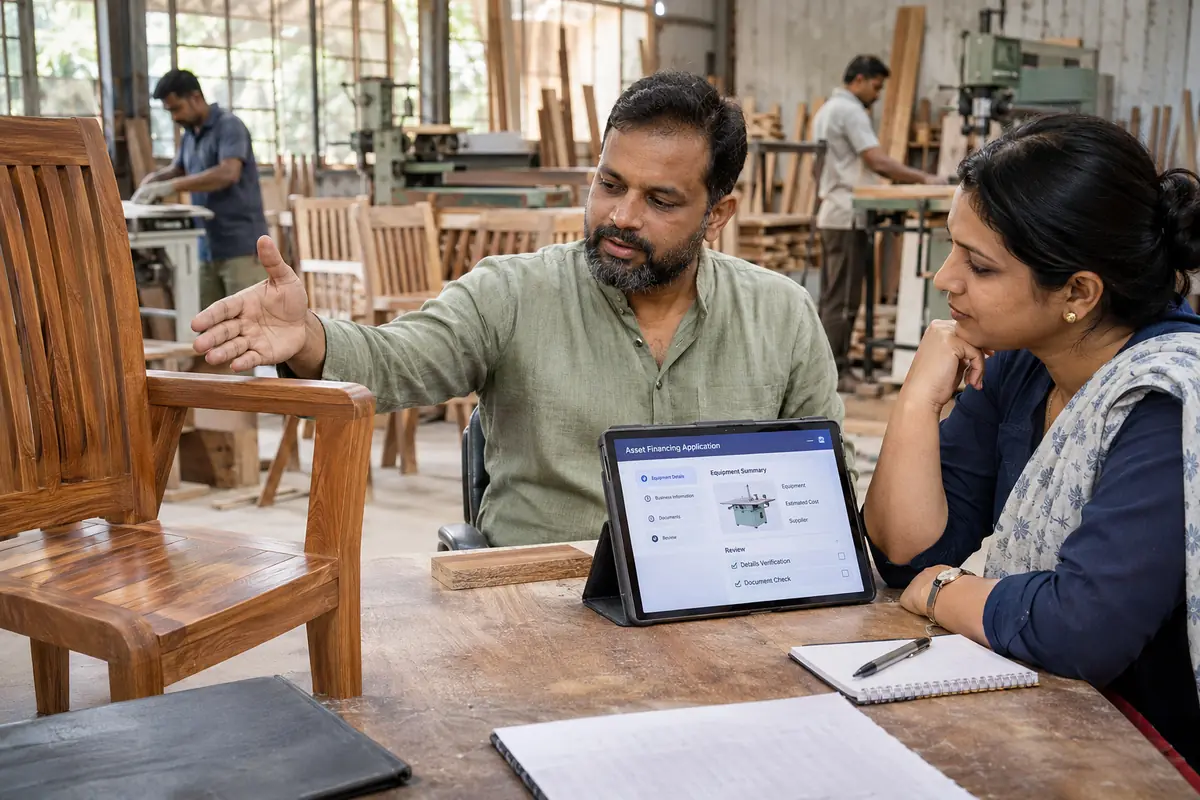
Nagpur P2P loan apps online India are internet platforms through which people in the Vidarbha region's main city lend to and borrow from one another, with a registered intermediary arranging the match and collecting repayments. In India such an intermediary must be an NBFC-P2P with a Reserve Bank of India registration, and it may not lend its own money or guarantee returns. Nagpur's role as a logistics, trading, government and agricultural-processing centre creates steady demand for modest short loans alongside real default risk.
Central India's crossroads city
Nagpur lies in eastern Maharashtra and is the principal city of Vidarbha. It is famous for oranges, for the Zero Mile marker that symbolises the geographic centre of India, and for its position at the meeting point of major rail and road routes. This makes it a natural base for transport, warehousing and distribution.
The wider region has coal and mineral activity, cotton and soybean farming, and the MIHAN project near the airport that aims to combine cargo, aviation and manufacturing. Government offices, defence-related establishments, hospitals and educational institutions add a stable salaried class.
Nagpur is also a city of institutions: it has a High Court bench, a well-known medical college and AIIMS, several universities and a large cluster of small enterprises serving them. This keeps a steady demand for rentals, tuition, clinics and repair work, run mostly by owners with little formal financing.
Borrower profiles in Nagpur
Small transporters need cash for fuel, tyres and repairs before freight bills are paid. Orange and grain traders buy from farmers in season and wait for buyers. Shopkeepers in the older market areas stock up before festivals, and private-sector employees look for help with medical or family costs.
Many people in these groups manage their finances through informal credit, local moneylenders or committees. A regulated P2P app offers a documented alternative, though the cost is generally higher than a bank loan and the contract terms must be read carefully.
A transporter might hold three trucks and wait for a freight payment while a driver's wage falls due. A coaching teacher may need a deposit for a new classroom. A young engineer working at a logistics firm may need money for a move. Each of these cases has a clear income source, which makes repayment planning simple and honest.
What lenders should understand
Lenders include retired officials, professionals and business families. The platform lets them select loans, but it does not protect them from borrower default.
The limits that apply are plain: Rs 50,000 maximum exposure to the same borrower across platforms, and Rs 50 lakh maximum aggregate lender exposure. The platform cannot promise assured returns or guarantee principal. A lender in Nagpur should therefore keep amounts small, spread them widely and accept that late payments occur.
Lenders often start by lending small sums to test the experience. This is a sound approach: it reveals how fast repayments arrive, how the platform reports them and how statements look, before larger sums are committed.
Rules set by the Reserve Bank
A lawful platform is an NBFC-P2P holding a Certificate of Registration from the Reserve Bank of India. Under this category:
- it cannot lend from its own balance sheet;
- it cannot guarantee repayment or give assured returns;
- a borrower can have at most Rs 10 lakh outstanding across platforms;
- the maximum loan maturity is 36 months.
These conditions are national. They give no special advantage to any city, but they do give every Nagpur user the same minimum framework.
Practical verification steps
Before sharing documents, a borrower should confirm that the company is a registered NBFC-P2P by searching the regulator's list for its legal name. The name on the contract must match. The fee schedule and repayment table should be complete, and nobody should pay a charge to receive a loan.
Avoid apps that ask for access to contacts or photographs, or that use threats in messages. Harassment of this type is a feature of unregistered lenders. If something goes wrong, keep screenshots and approach the platform's grievance channel first, then the appropriate regulator or consumer forum.
Disputes are best handled in writing. If an instalment is wrongly charged, send a message through the app, keep the reference number, and ask for a written reply. Escalate only after the platform's own process has been tried.
Interest-free finance in the region
Nagpur has a sizeable Muslim community and also Buddhist, Jain and Hindu trading families with their own mutual aid traditions. Interest-free help is typically offered through community, charitable or cooperative systems, not through RBI-registered P2P apps.
A genuine Qard Hasan, or Qarz-e-Hasana, asks for the principal only and fixes no gain for the lender. Some cooperatives charge a fixed service fee. Murabaha and Ijarah contain a profit or rental element and differ from a pure interest-free loan. A person should ask how the scheme is governed, how funds are safeguarded and what happens in a delay, and should consult a qualified adviser.
Seasonal and farm-linked income
Because Vidarbha's economy follows crop and trade cycles, many households receive income in lumps. A borrower whose main income comes after harvest should avoid monthly instalments that fall before the money arrives, and should look for a repayment day soon after the main receipt.
Weather risk is real in agriculture. A person with income tied to the season should keep a reserve and avoid borrowing the largest permitted amount simply because it is offered.
A grain trader, for example, may prefer a short loan that is cleared within a single trading season, because rolling a balance into the next year only adds cost and uncertainty.
Language and everyday practice
Marathi, Hindi and the regional Varhadi speech all appear in daily life, while the apps themselves tend to use English. Verification typically relies on Aadhaar-linked identity, PAN, a bank account and an income record.
A repayment plan should set the instalment a few days after income lands, keep a small buffer and involve early contact with the platform if payment will be late. Taking a new loan to repay an old one is a warning sign of stress. This text offers information only, with no personal advice and no loan offer.
Keep the signed agreement, repayment schedule and payment receipts in one folder, on paper or on a phone, so that any question about an amount can be answered quickly and calmly.
Frequently asked questions
Do Nagpur residents get different P2P rules from other cities?
No. The Reserve Bank of India framework is national, so the same registration requirement, borrowing limit of Rs 10 lakh across platforms and maximum maturity of 36 months apply in Nagpur as everywhere else in the country.
Can a farm trader in the Nagpur region use these apps?
Yes, subject to the platform's verification and approval. Income tied to a season can make instalments hard to meet, so the repayment date should follow the main receipt, and the amount should stay modest.
How should a Nagpur lender protect against losses?
Spread small sums across many borrowers, stay within the Rs 50,000 limit for one borrower across platforms, and lend only surplus savings. Platforms may not guarantee returns, and defaults can occur on any regulated app.
Further reading
- LenDenClub : LenDenClub is an RBI-registered NBFC-P2P lending platform, showing Nagpur borrowers and lenders how a regulated marketplace lists loan requests and distributes repayments.